
Aight Sky

Tracing the Path of Yoga: From Ancient India to Modern Practice


Written by Anupama Verma

Yoga is often associated with graceful poses and flexibility, but its origins and intentions are much deeper. This practice spans over 5,000 years, rooted in the spiritual soil of ancient India. More than a workout, yoga is a comprehensive lifestyle and philosophy designed to bring harmony to body, mind, and spirit.


From the Indus Valley to the Vedas

Archaeological evidence from the Indus Valley Civilization (circa 2700 BCE) reveals figures in meditative postures, hinting at early yogic practices. The Vedas, some of the oldest sacred texts, introduced the foundations of spiritual discipline, ritual, and devotion.

The Upanishads and Philosophical Depth

The Upanishads further explored the nature of existence, self, and the universal soul (Brahman). Concepts like breath control and inner stillness began to take shape, laying the groundwork for meditative practices that would later define yoga.

Classical Yoga and the Eight Limbs

Around 200 BCE to 200 CE, the sage Patanjali compiled the Yoga Sutras, outlining the Ashtanga or Eight Limbs of Yoga. This systematic approach to self-realization emphasizes:

  • Yama – Ethical disciplines
  • Niyama – Personal observances
  • Asana – Physical postures
  • Pranayama – Breath control
  • Pratyahara – Withdrawal of the senses
  • Dharana – Concentration
  • Dhyana – Meditation
  • Samadhi – Enlightenment

Unlike modern yoga’s focus on physicality, Patanjali’s framework is a roadmap to inner transformation.

Hatha Yoga and the Post-Classical Evolution

Between the 9th and 17th centuries, Hatha Yoga emerged as a vital system emphasizing asana, pranayama, and shatkarmas (cleansing techniques) to purify the body for spiritual awakening. Influential texts like the Hatha Yoga Pradipika shaped the practices many recognize today.

The Modern Revival and Global Spread

In 1893, Swami Vivekananda brought yoga philosophy to the West at the Parliament of the World’s Religions. Later, T. Krishnamacharya and his students (e.g., B.K.S. Iyengar, Pattabhi Jois) modernized yoga with a focus on dynamic physical postures. Their teachings sparked the contemporary yoga movement, now a worldwide phenomenon.

Yoga Today: A Global Practice with Ancient Roots

In modern wellness culture, yoga is often viewed through the lens of fitness. Yet at its heart, it remains a discipline of union—a practice integrating ethics, breath, mindfulness, and spirituality. While studios may emphasize asana, the full potential of yoga lies in embracing its eightfold path.

Yoga’s legacy is more than ancient history—it’s a living tradition that continues to evolve. Whether practiced for fitness or for spiritual growth, understanding its origins helps us honor the wisdom behind the movement.

🧘‍♀️ Embrace yoga not just as a practice, but as a way of life.
Health Scope

Gallbladder Stone Disease: Symptoms, Treatment & Prevention Explained by Dr. Vardhan S Bhobe


Written by Dr. Vardhan S Bhobe, MS General Surgery, FIAGES, FAIS, General and Laparoscopic Surgeon

Gallbladder stone disease, or cholelithiasis, refers to the formation of gallstones—solid stones formed mainly from cholesterol or bilirubin—within the gallbladder. It is a common condition affecting up to 10–15% of the adult population, with higher prevalence in women, multiparity, individuals over 40, obese individuals, and those with a sedentary lifestyle or certain ethnic backgrounds (e.g., Native Americans).

Gallstones are broadly classified into cholesterol stones (most common in Western countries) and pigment stones (more common in Asia and in patients with hemolytic disorders or chronic infections). Cholesterol stones form due to bile supersaturation with cholesterol, gallbladder hypomotility, and mucus hypersecretion, which facilitates stone nucleation and growth.

Most gallstones are asymptomatic, discovered incidentally on imaging. However, symptomatic cholelithiasis can lead to biliary colic, characterized by sudden, intense, right upper quadrant or epigastric pain that may radiate to the right shoulder or back. This pain typically follows 2 hours after a fatty meal and may last from 30 minutes to several hours.

Complications of gallstone disease include:

  • Acute cholecystitis (gallbladder inflammation)
  • Choledocholithiasis (stones in the common bile duct)
  • Cholangitis (bile duct infection)
  • Gallstone pancreatitis
  • Gallbladder empyema or perforation

Diagnosis is usually made via ultrasonography, which is highly sensitive and specific for detecting gallstones. Additional imaging like MRCP (Magnetic Resonance Cholangiopancreatography) or ERCP (Endoscopic Retrograde Cholangiopancreatography) may be necessary for suspected ductal stones or complications.

Management depends on symptoms and complications:

  • Asymptomatic gallstones typically do not require treatment.
  • Symptomatic gallstones or complicated cases warrant laparoscopic cholecystectomy, the gold standard treatment. Laparoscopic Surgery is painless, cosmetic due to minimal cuts, bloodless, without stitches, often daycare with a quick recovery and fast return to work.
  • Non-surgical options, like oral bile acid dissolution therapy (ursodeoxycholic acid) or extracorporeal shock wave lithotripsy, are mostly ineffective.
  • In high-risk surgical patients, percutaneous drainage or endoscopic interventions may be considered, to tide over an emergency.

Prevention includes weight control, dietary modifications (low-fat, high-fiber diets), and physical activity. Rapid weight loss should be avoided, as it increases the risk of stone formation. Top of Form

Bottom of Form

Sports

Cycling 330 km in 3 Days: What Fuels Milind Soman’s Fitness at 59


Mumbai–Goa | July 2025 — Supermodel, ultramarathoner, and fitness icon Milind Soman has once again proven that age is just a number. At 59, he completed a challenging 330 km endurance challenge from Mumbai to Goa, combining daily long-distance cycling with cross-training on foot—a feat that would test even the fittest of athletes.

Part of the ongoing #FitIndiaRun campaign, Milind’s expedition wasn’t just about physical endurance—it was a call to action, encouraging Indians to take charge of their health. Over three days, Milind cycled approximately 90 km each day, followed by a 20 km run or walk, traversing steep Western Ghats, winding coastal highways, and humid terrains.

“It’s not about pushing limits. It’s about consistency, simplicity, and loving movement,” Milind shared on social media.

But with such an intense regimen, one naturally wonders: what keeps him going—physically and nutritionally?


🥗 What Milind Soman Eats in a Day

Milind has long followed a minimalist, plant-based diet. His approach is simple: eat natural, eat local, eat light.

Here’s a typical day in his diet:

  • Morning Routine:
    • Starts the day with a glass of warm water and a handful of soaked almonds or walnuts
    • Often skips a heavy breakfast if not training hard
  • Lunch (Main Meal of the Day):
    • A large portion of seasonal vegetables, usually stir-fried or lightly spiced
    • A serving of rice or millets
    • Dal or legumes for protein
    • Sometimes includes a glass of buttermilk
  • Snacks & Hydration:
    • Coconut water, bananas, or dates during long rides or runs
    • No packaged energy bars or supplements
  • Dinner:
    • Very light, often just vegetables or a fruit-based meal
    • Occasionally skips dinner after intense travel or training days
  • No caffeine, no sugar, and minimal salt—a conscious decision he says helps him “feel clean inside.”

🧘‍♂️ Discipline Over Diet Fads

Despite global trends pushing high-protein, supplement-heavy fitness routines, Milind’s success lies in his consistent routine and natural lifestyle. He avoids processed foods and swears by barefoot running, daily movement, and mental clarity as much as physical strength.

He has previously said, “Health is not six-pack abs. It’s freedom from disease, clarity of thought, and the energy to live fully.”


🚴 Fit at 59: The Takeaway

Milind’s 330 km challenge is more than just an athletic milestone. It’s a powerful reminder that long-term health is about everyday choices—what you eat, how you move, and how you rest. His story continues to inspire millions who look to live healthier, more intentional lives.

Human Interest

World Hypertension Day : May 17


Two days before her 30th birthday, Tara Suplicki’s life took an unexpected turn. While climbing a flight of stairs at work, she collapsed. Her colleagues were alarmed, but Tara brushed it off as exhaustion and asthma-related issues. Despite her high-stress job as a department store manager, working 80 hours a week or more, Tara had no reason to think she was sick. She excelled in her role, travelled, exercised regularly, and lived life with toughness.

However, her body soon began to betray her. Dizziness, blackouts, and crushing exhaustion became her new reality. Even simple actions like walking became challenging. Grudgingly, Tara scheduled an appointment with her physician, anticipating a simple visit and perhaps a new inhaler prescription.

But the diagnosis was far from simple. Following a series of emergent tests, a cardiologist delivered the verdict: pulmonary hypertension, a severe and uncommon disorder affecting the lungs and heart. Tara’s world was turned upside down.

Hypertension, or high blood pressure, is a stealthy disease that can cause heart disease, stroke, and other ailments without showing symptoms. Regular check-ups and a healthy lifestyle are crucial. World Hypertension Day, observed on May 17th, aims to raise awareness about this silent killer.

By knowing the risks, checking our blood pressure, and making simple lifestyle changes, we can safeguard our hearts and enjoy better lives. Let’s conquer the silent killer together. Adopting a healthy lifestyle, including a balanced diet, regular exercise, and stress management, can significantly reduce the risk of hypertension.

Get your blood pressure checked regularly, know your family history and risk factors, and take control of your heart health. Let’s spread awareness and support each other in this journey.

On World Hypertension Day, let’s pledge to prioritize our heart health and encourage others to do the same. Together, we can make a difference and beat hypertension.

Social

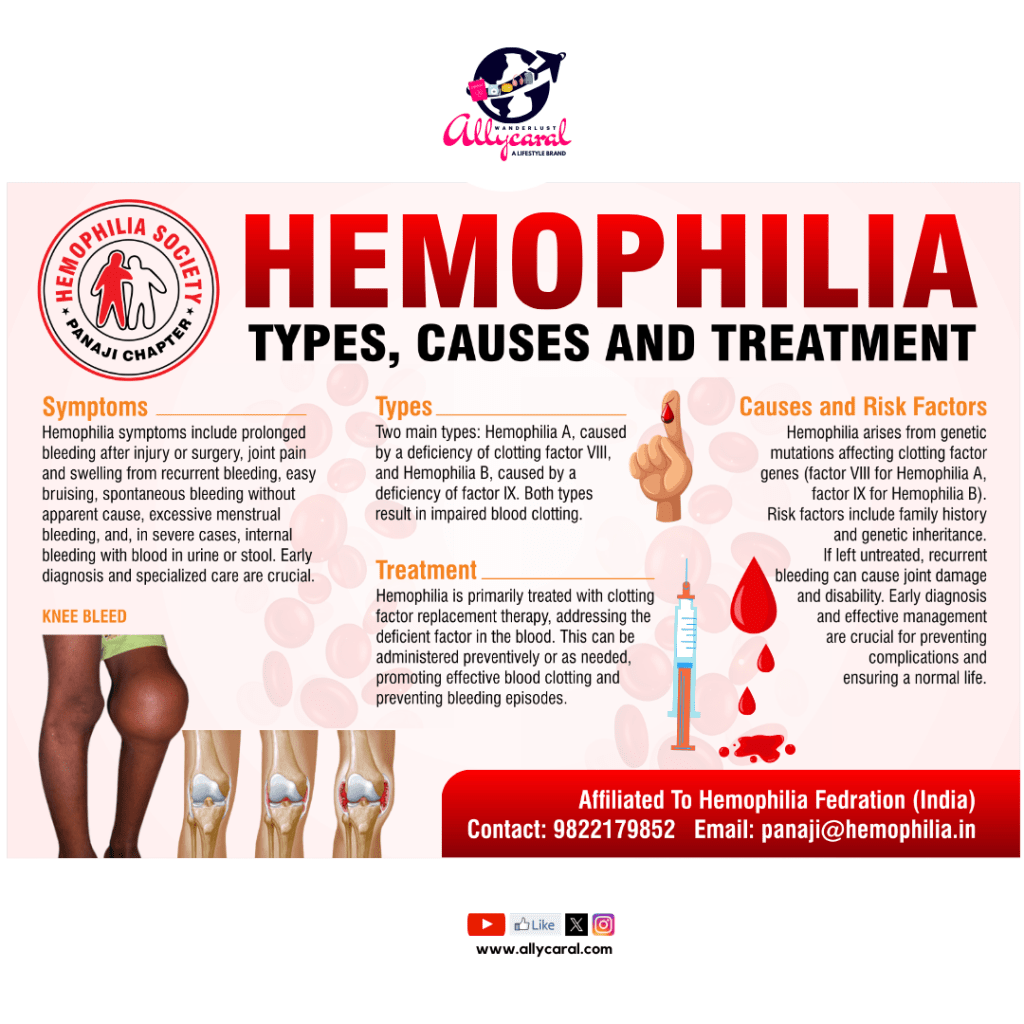
World Hemophilia Day 2025: “Access for All – Women and Girls Bleed Too”


On April 17, 2025, the global bleeding disorders community will unite to raise awareness and advocate for improved care and support for women and girls with bleeding disorders. World Hemophilia Day is a pivotal moment to challenge inequities, break stigmas, and ensure comprehensive care for all individuals affected by these conditions.

The Challenge: Underdiagnosis and Underservice
Women and girls with bleeding disorders often face delayed diagnoses and limited access to treatment due to a lack of understanding about their unique needs. This year’s theme, “Access for All – Women and Girls Bleed Too,” highlights the urgent need to address these gaps and ensure equitable care for everyone in the bleeding disorders community.

The Impact: Strengthening the Community
By prioritizing the diagnosis and treatment of women and girls with bleeding disorders, we can improve their quality of life and strengthen the entire bleeding disorders community. As Cesar Garrido, WFH President, emphasizes, “Recognizing women and girls with bleeding disorders is a significant milestone for our community… Prioritizing their diagnosis and treatment is crucial, and doing so strengthens our entire bleeding disorders community.”

How to Get Involved
There are many ways to participate in World Hemophilia Day and make a difference:

  • Get Social: Share your story and raise awareness on social media using hashtags like #WorldHemophiliaDay, #WHD2025, #WeBleedToo, and #LightItUpRed.
  • Support Advocacy Efforts: Donate to support global advocacy initiatives and help build a better future for individuals with bleeding disorders.
  • Share Your Story: Submit your story to the WFH website and inspire others with your experiences.
  • Download Resources: Access posters, social media banners, and other materials to help build your World Hemophilia Day campaign.

Creating a Future with Treatment for All
World Hemophilia Day is an opportunity for individuals, organizations, and communities to come together and advocate for equitable care and support. By working together, we can create a future where Treatment for All is a reality, and equity, care, and empowerment define the lives of those living with bleeding disorders.