Spotlight

Shubham Verma: From Small-Town Dreams to Casting Big Stories


Written by Tanisha Cardozo || Team Allycaral

There’s something powerful about dreams that begin in small places. For Shubham Verma, that journey started in Rudrapur, Uttarakhand—a city far removed from the fast-paced world of India’s entertainment industry. But even as a child, he knew he wanted more. Modeling and acting weren’t just ambitions; they were a vision of a life beyond boundaries.

At nineteen, Shubham took his first step into that world. Without industry connections or prior exposure, the move wasn’t easy. Everything—from meeting new people to understanding how the industry functioned—was completely unfamiliar. Yet, what he lacked in experience, he made up for with determination and belief in himself.

The early years in modeling were as challenging as they were transformative. He worked tirelessly, navigating an industry where competition is intense and opportunities are never guaranteed. Doubts came not just from within but also from people around him. Still, he chose to stay focused, letting his work speak louder than skepticism.

After five years in front of the camera, a shift began to take shape. Shubham found himself drawn to the mechanics behind the scenes—the way projects were built, the way talent was discovered, and the way stories came together. Travelling across India and interacting with producers, coordinators, and creatives gave him a deeper understanding of the industry. That’s when casting entered the picture—not as a backup plan, but as a new passion.

Today, as a casting director with Khanna Production House, his work is dynamic and demanding. It involves travelling across cities, conducting auditions, understanding character requirements, and identifying the right talent for each role. No two days are the same, and that unpredictability is exactly what keeps the work exciting.

For Shubham, casting is not just about finding faces—it’s about recognizing potential. He believes that presentation and confidence are key, and that anyone with the right mindset can carve a place in the industry. Over time, he has also seen how unconventional casting choices can create some of the most memorable performances, reinforcing his belief in taking creative risks.

His journey hasn’t been without setbacks. The COVID-19 pandemic brought the entertainment industry to a standstill, testing both patience and resilience. There were also moments that served as hard lessons—like an audition in Jaipur where, due to poor coordination, no participants showed up despite extensive planning. Experiences like these shaped his understanding of professionalism and trust.

Looking at the industry today, Shubham sees immense growth and opportunity. Regional cinema, particularly from Kerala, is gaining recognition for its strong storytelling, while Bollywood continues to invest in large-scale, ambitious projects. The landscape is evolving, and for those willing to adapt, the possibilities are endless.

Closer to home, Goa stands out as a rising hub for entertainment. With its scenic locations and globally recognized platforms like the International Film Festival of India, it continues to attract filmmakers and creatives from across the country. Shubham believes that Goa’s role in the industry will only grow stronger in the years to come.

One of the most defining moments in his journey was landing his first major project. It wasn’t just a professional milestone—it was an emotional one. A moment of realization that all the risks, struggles, and persistence had finally paid off.

Despite working in a highly social industry, Shubham describes himself as an introvert—something that often surprises people. Yet, it’s perhaps this introspection that allows him to connect deeply with his work and understand characters beyond the surface.

If his life were a film, he knows exactly what it would be called: Dream It. Believe It. Just Do It. And in many ways, that title perfectly captures his journey—a story not just about success, but about growth, evolution, and staying true to one’s dreams.

For newcomers looking to break into the industry, his advice is simple but powerful: stay consistent, be patient, and never lose belief in yourself. Because in the end, every big story starts with a small step—and the courage to take it.
Entertainment

Pai Tiatrist Auditorium Remains Closed for Roof Repairs, Expected to Reopen by May 30


Margao, May 29, 2025 – The Pai Tiatrist Auditorium in Margao, a prominent cultural venue in Goa, has been temporarily closed due to essential roof repairs. The closure, which started in mid-May, was expected to be a brief disruption but has been delayed due to unforeseen monsoon rains. Rajendra Talak, Chairman of Ravindra Bhavan, confirmed that the venue will likely reopen by May 30, once the repairs are completed. The unexpected rains hindered progress, and the work was paused for safety reasons, as the building’s structural integrity had to be prioritized.

The roof repairs at the Pai Tiatrist Auditorium are necessary to maintain the building’s safety and functionality. Talak explained that the ongoing monsoon season led to delays, as the repair work could not be completed under rainy conditions. As a result, the auditorium has been closed for nearly two weeks. The repairs, while essential for the long-term upkeep of the venue, have unfortunately disrupted scheduled events, leaving the venue unusable for the time being. The government has ensured that the work will be completed as soon as possible, with a targeted reopening date of May 30, 2025.

As a result of the closure, all scheduled performances and events at the Pai Tiatrist Auditorium have been either cancelled or postponed. This includes a range of cultural activities, theatrical performances, and film screenings that were expected to take place in May. Talak assured that efforts are already underway to reschedule these events. The Ravindra Bhavan team is coordinating with performers and event organizers to ensure that all postponed shows will be rescheduled for later dates, and audience members will be informed promptly.

In a positive turn of events, the Shyam Benegal Film Festival, which was initially scheduled during the closure, will now mark the reopening of the auditorium. The festival, an important cultural milestone for Goa, will be inaugurated on May 30, 2025, by Jnanpith awardee Damodar Mauzo. The film festival will celebrate the works of renowned filmmaker Shyam Benegal and is expected to draw cinema lovers from across the state. Despite the temporary setback, the inaugural event is set to bring the auditorium back to life, creating a buzz in the local cultural scene.

In addition to the roof repairs, Rajendra Talak revealed plans for major upgrades to the auditorium, which will take place in July and August 2025. These renovations are part of a broader effort to enhance the venue in preparation for the International Film Festival of India (IFFI), which will be held later in 2025. The upgrades will include improvements to the sound system, projector, and screen, ensuring that the auditorium can host large-scale cultural events and international festivals with the highest technical standards. These upgrades are expected to enhance the overall experience for both performers and audiences.

While the roof repairs have caused some disruption in the short term, the planned renovations and upgrades signal a promising future for the Pai Tiatrist Auditorium. The venue, known for hosting a wide array of cultural events, will continue to play a central role in Goa’s vibrant cultural landscape. Once the repairs and upgrades are completed, the auditorium will be fully equipped to host a variety of cultural and cinematic events, ensuring that it remains a cornerstone of Goa’s rich artistic heritage.

The Pai Tiatrist Auditorium’s temporary closure for roof repairs may have caused some inconvenience, but the measures being taken to ensure its long-term functionality and modernization are clear. The venue is set to reopen on May 30 with the exciting Shyam Benegal Film Festival, signaling the start of a new chapter. With upcoming upgrades planned for later in the year, the auditorium will continue to be a vital cultural hub in Goa, attracting both local and international talent for years to come.

IFFI 2024

From Tashkent to Belgrade: 55th IFFI Celebrates Stories that Transcend Borders and Cultures


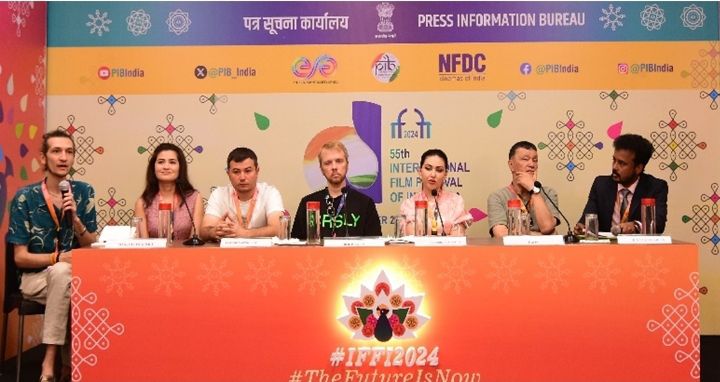
The 55th International Film Festival of India (IFFI) proudly showcases three exceptional films from Uzbekistan, Estonia, and Serbia. These cinematic gems, crafted by visionary directors and producers, explore themes of resilience, self-discovery, and the indomitable human spirit, inviting audiences on a journey through diverse cultural landscapes.


Among the highlights is The Song Sustxotin, a poignant tale set in a drought-stricken Uzbek village. Directed by the internationally acclaimed Khusnora Rozmatova, the film portrays a community’s battle against nature’s fury and societal despair. Honored with the “For Humanism” award at the Kazan International Muslim Film Festival, Rozmatova has delievered a compelling second feature, showcasing her unwavering commitment to humanistic storytelling.

Adding to the showcase is House, a moving narrative from Uzbekistan directed by Jamshid Narzikulov. The story follows a grieving widow who loses her only son to a reckless online challenge. Her pursuit of justice leads her from a quiet village to the chaos of a sprawling metropolis, where she faces harsh realities while rediscovering her strength and values. This debut feature highlights Narzikulov’s nuanced storytelling, blending personal tragedy with transformative self-discovery.


From Estonia and Serbia comes Deaf Lovers directed by Boris Guts, a renowned Russian experimental film maker. A contemporary tale set in Istanbul, the film follows Sonya, a Ukrainian, and Danya, a Russian, as they navigate the challenges of survival in a foreign city, grappling with shared struggles and aspirations. Their journey explores themes of identity, resilience, and the pursuit of a shared future amid turbulent pasts. Guts brings his fearless approach to critical issues like poverty, racism, and terminal illness, infusing this international premiere with his signature depth and vision to the film.


While addressing the press conference, Boris Guts underscored the significance of cinema as a strong Language that has power to bridges divides even in the war-stricken landscapes.

Karim, an award-winning film director, while responding to the audience question, emphasized on the role of cinema to unite people across borders and heal differences and bring humanity closer through shared stories.

The Directors also emphasized on the role of cinema in “building a better tomorrow”.


Together, these films showcase the universal power of cinema to transcend borders, connect cultures, and delve into the complexities of the human condition. With their unique storytelling, profound narratives, and artistic brilliance, they promise to leave an indelible mark on audiences at IFFI 2024.

IFFI 2024

55th IFFI Showcases ‘Force of Nature: The Dry 2’ in Country Focus: Australia Segment


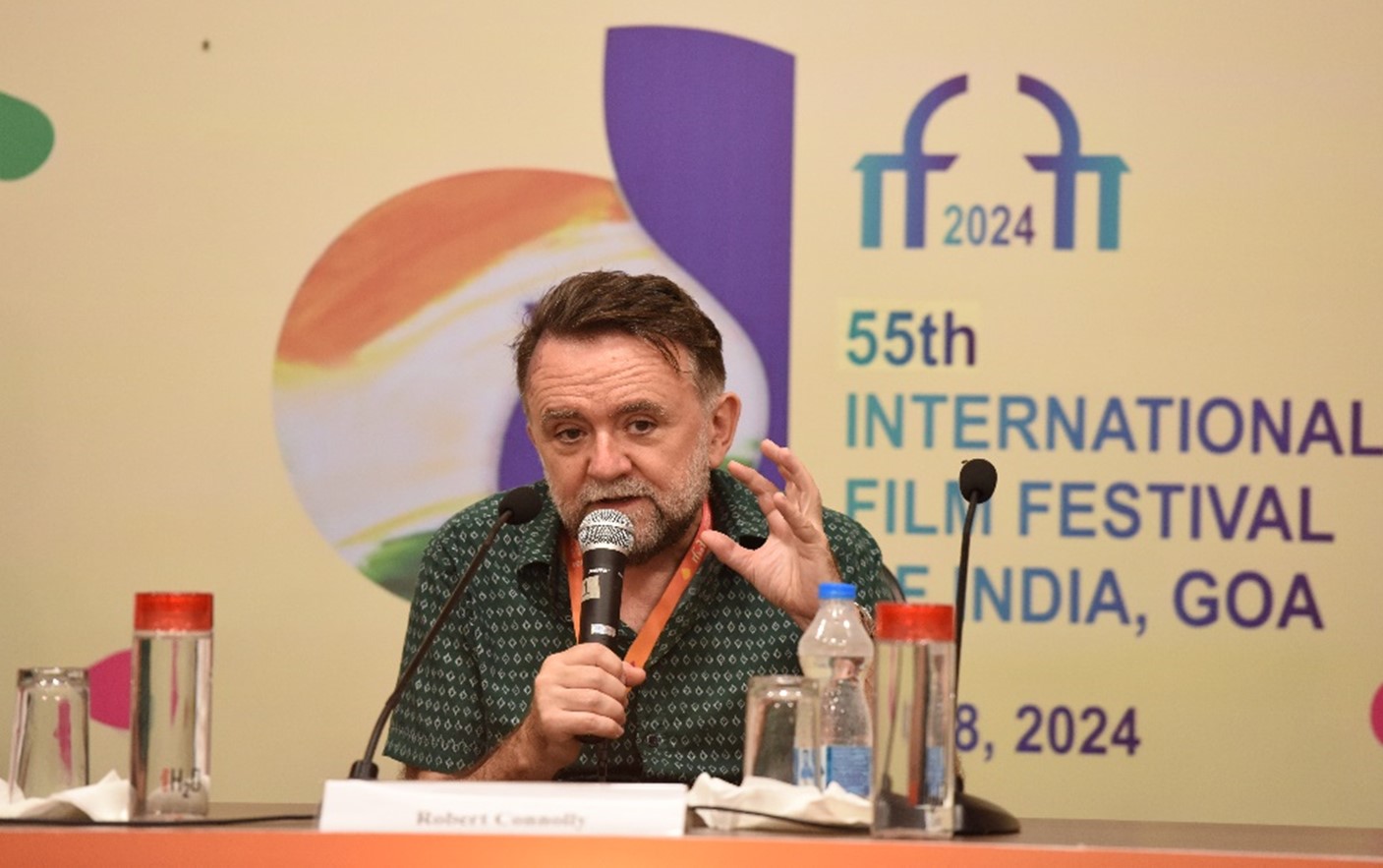
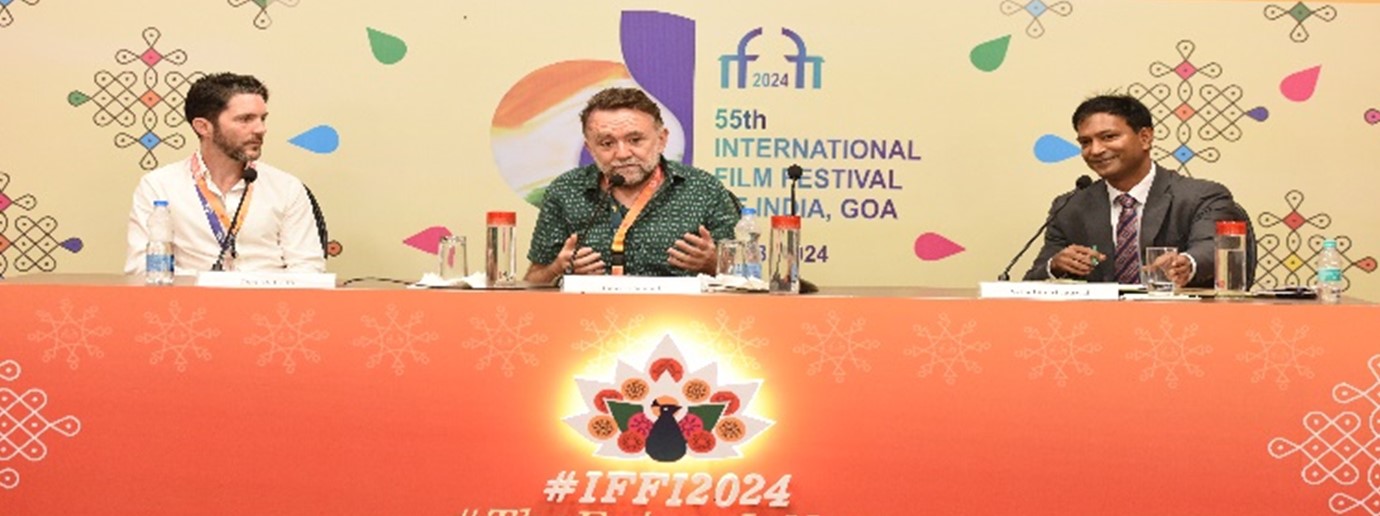
Celebrating the vibrancy and modernity of Australian cinema, 55th International Film Festival of India (IFFI), hosted in the vibrant state of Goa, showcased Force of Nature: The Dry 2 as a special feature in the “Country Focus: Australia” segment. Director, writer, and producer Robert Connolly engaged with the media in Goa today.

The film follows five women on an executive retreat into a remote wilderness, but only four of them return. Federal Police Agent Aaron Falk becomes deeply invested in uncovering the fate of the missing hiker. As he searches for answers, buried memories from his childhood in the same rugged landscape begin to resurface, intertwining with the mystery of what truly happened.

A cinematic brilliance, the film explores themes of justice, family loyalty, and the emotional scars of the past. It is a gripping thriller that blends a tense investigation with rich character-driven storytelling, set against the unforgiving backdrop of rural Australia.

While addressing the media, Robert Connolly expressed his deep admiration for Indian cinema, stating, “We learn about India through cinema, and I truly loved playing to a packed Indian audience.” When asked about the significance of landscapes in his films, he emphasized their vital role, describing them as ‘critical’ and even as special ‘characters’ in his stories. He further explained that understanding the impact of landscapes on people is essential to crafting meaningful narratives.

On the topic of addressing global issues like climate change through cinema, the director acknowledged the importance of the issue, stating, “It’s an important issue, and emerging filmmakers need to focus on creating films that highlight the impact of climate change.”

In the closing remarks, he also highlighted the growing global reach of Indian cinema, noting that it is watched in large numbers by audiences in Australia. The director also spoke highly of the IFFI, calling it “a foundation for building some exciting stories worldwide.”

IFFI 2024

“ANR’s Vision Made Telugu Cinema a Force to Be Reckoned With”: Nagarjuna Akkineni


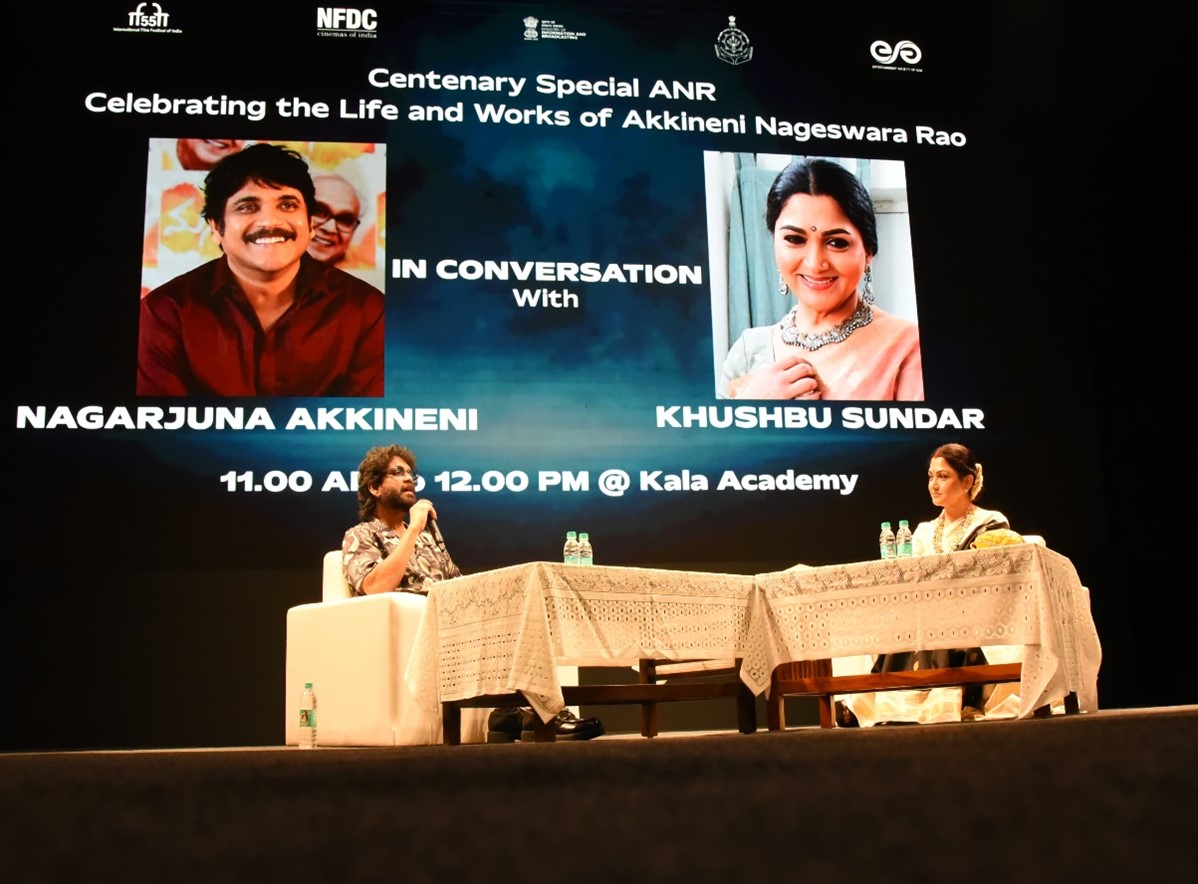
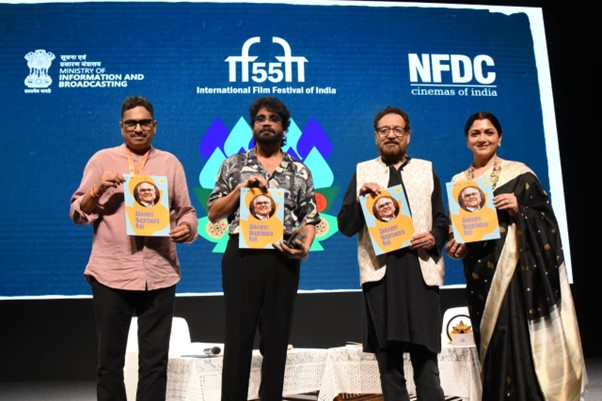
The 55th edition of the International Film Festival of India (IFFI) paid tribute to Akkineni Nageswara Rao (ANR), a trailblazer in Indian cinema, through a special session titled “Centenary Special ANR: Celebrating the Life and Works of Akkineni Nageswara Rao”. Held at the Kala Academy in Panaji, the session featured his son, Nagarjuna Akkineni, in conversation with acclaimed actress Khushbu Sundar.

The event opened with a tribute video showcasing ANR’s legacy and his pivotal role in shaping Telugu cinema. Nagarjuna shared heartfelt memories of his father and highlighted his vision for the industry.

“My father’s goal was clear: to make Telugu cinema a force to be reckoned with,” Nagarjuna said. “He established Annapurna Studios, which remains a cornerstone of the industry today.” He also emphasized ANR’s foresight in making Telugu cinema pan-Indian, saying, “His belief that language should not be a barrier was ahead of its time.”

Khushbu Sundar engaged Nagarjuna in discussing the responsibility of carrying forward ANR’s legacy. Nagarjuna credited his family for preserving ANR’s vision through initiatives like the Annapurna College of Film and, adding, “it’s about creating a platform for the next generation of filmmakers.”

When asked about a biopic on ANR in an interaction question and answer session, Nagarjuna revealed his plans for a documentary. “A documentary would better capture the essence of his life and vision,” he explained.

The session concluded with Nagarjuna and Khushbu celebrating ANR’s timeless contributions to cinema, leaving the audience inspired by the enduring legacy of a cinematic legend.