Human Interest

Frozen in the Himalayas, Guarded by Love: Pitbull Jonuโ€™s Four-Day Vigil Over Two Young Lives in Chamba


Written by Alisha Fernandes || Allycaral

For four unforgiving days, paws buried deep in snow and breath battling sub-zero winds, Jonu stood guard.

Neither hunger, thirst nor the brutal cold of the Himalayas could move the pitbull from the side of his companions โ€” cousins Viksit (19) and Piyush (13) โ€” who had gone silent atop a snow-covered hill in Himachal Pradeshโ€™s Chamba district.

When Indian Air Force pilots and mountain rescue teams finally reached the spot on Monday, they were met with a sight that would leave hardened rescuers visibly shaken. The two boys lay frozen to death, and beside them stood Jonu โ€” alert, broken, yet fiercely protective. For over half an hour, the dog refused to leave his post, as if still waiting for the boys to wake up and call his name.

Repeated attempts by the rescue team to move him away failed. It was only after Jonu seemed to understand that the men were there to help, not harm, that he allowed himself to be carried away โ€” still watching from a distance, unmoving and vigilant.

A video capturing this tragic moment has since gone viral, touching millions and reminding the world of the silent, unconditional loyalty animals are capable of.

A Bond Forged in Childhood

Viksit and Piyush were from Malkota village, around 60 km from Chamba town. According to local sarpanch Sanjiv Kumar, Viksitโ€™s father had gifted two pitbull pups to the boys years ago. They grew up together โ€” not as owners and pets, but as family.

Piyush had been living with Viksitโ€™s family after his own father, battling mental illness, could not support a family of eight. The boys found companionship not just in each other, but in their dogs, who followed them everywhere โ€” not out of training, but belonging.

Viksit lost his father last year. While the family usually migrated to lower regions during harsh winters, they stayed back this season. Just days before the tragedy, Viksitโ€™s mother had spoken about plans to move โ€” plans that never came to be.

A Reel That Turned Fatal

On January 22, the boys set out to film content for social media in the snow-laden Barmani range, hoping their voices would travel further than their feet ever could. They trekked beyond the Barmani Temple into upper reaches known to become dangerous after snowfall โ€” despite a yellow alert issued that day.

That night, heavy snow engulfed the mountains.

By January 23, panic set in as the boys failed to return. Rescue operations were launched, but snowfall exceeding three feet made access nearly impossible. Amid fading hope, Viksit managed a chilling phone call to his family โ€” his fingers numb, voice weak, struggling to keep Piyush alive using a sleeping bag.

Weather conditions worsened. Drones were unavailable. Helicopters were grounded. Time slipped away.

The Final Rescue

On January 25, the Indian Air Force deployed helicopters despite dangerous conditions. The next morning, pilots spotted a body lying in the snow โ€” with a dog standing beside it. Guided by aerial visuals, rescue teams recovered the first body.

In a second sortie, Jonu was rescued.

In a final daring operation, the second body was located and retrieved. By Monday afternoon, both victims were handed over to their families. The last rites were performed on Tuesday.

The whereabouts of the second pitbull remain unknown.

What remains unmistakably clear is Jonuโ€™s vigil โ€” a silent testimony to love, loyalty, and a bond stronger than life itself.
Travel

Spiti Valley Declared Indiaโ€™s First Cold Desert Biosphere Reserve by UNESCO


In a landmark announcement at the 37th UNESCO MAB-ICC meeting in Hangzhou, China (Sept 2025), Spiti Valley in Himachal Pradesh was officially declared Indiaโ€™s first-ever Cold Desert Biosphere Reserve under UNESCOโ€™s Man and the Biosphere (MAB) Programme.

Located at breathtaking altitudes between 3,300 and 6,600 meters, Spiti Valley covers nearly 7,770 square kilometers and is known for its stark beauty, ancient monasteries, and rare biodiversity. The valleyโ€™s fragile alpine ecosystem โ€” featuring glaciers, river valleys, and snow-covered peaks โ€” supports endangered species like the Snow Leopard, Blue Sheep, and Himalayan Ibex.

Beyond its ecological significance, Spiti is a living museum of Himalayan culture. The regionโ€™s centuries-old Buddhist monasteries, including Key, Tabo, and Dhankar, stand as beacons of peace and spirituality. The communities here have sustained themselves through traditional mountain farming, deep respect for nature, and a shared sense of responsibility toward the environment.

This UNESCO recognition will strengthen efforts to:

  • ๐ŸŒฟ Conserve Spitiโ€™s unique alpine habitats and biodiversity
  • ๐Ÿ’ง Promote sustainable, low-impact livelihoods for local communities
  • ๐Ÿฆ‹ Encourage responsible tourism that protects the valleyโ€™s fragile balance

Experts believe the designation will also bring global attention to Spitiโ€™s climate resilience and cultural richness, setting an example for other high-altitude conservation zones across the world.

With this achievement, India now has 13 UNESCO Biosphere Reserves, reaffirming the nationโ€™s growing leadership in sustainability, ecology, and heritage preservation.

For travelers, Spiti Valley is now officially recognized as a global conservation treasure โ€” a destination to be admired, respected, and preserved for generations to come.

Films

โ€˜Second Chanceโ€™: Subhadra Mahajanโ€™s Poetic Portrayal of Healing, Womanhood, and the Himalayas


Second Chance is an evocative and quietly powerful cinematic work by Subhadra Mahajan that blends themes of feminine healing, personal resilience, and environmental awareness in a narrative grounded in the raw beauty of the Himalayas. The film, shot entirely in black and white, takes viewers into the soul of a young woman navigating her inner trauma while immersed in the majestic yet fragile ecosystem of Himachal Pradesh.

The story revolves around Nia, played by Dheera Johnson, who retreats to her familyโ€™s summer home after facing her first significant emotional trauma. As she isolates herself in the quietude of the mountains, time, nature, and unexpected local friendships guide her toward inner healing. The slow, deliberate pace of the film reflects Niaโ€™s own relationship with time and grief, allowing the audience to truly live the experience alongside her. The film does not rushโ€”because healing does not.

What sets Second Chance apart is not only its emotionally intelligent storytelling but also its stylistic choices. Cinematographer Swapnil Sonawaneโ€™s decision to present the film in monochrome elevates the visual impact. Even without color, the landscapes of Himachal Pradesh breathe with life, mood, and metaphor. From forests to highlands, the visuals offer a grounding presence, anchoring the protagonistโ€™s emotional evolution.

Subhadraโ€™s decision to cast non-actors adds an organic authenticity to the film. The locals, with their natural speech and subtle gestures, become part of the narrativeโ€™s emotional fabric. Their presence doesnโ€™t feel stagedโ€”it feels lived. These characters, many playing versions of themselves, create a community that gently supports Niaโ€™s journey, reminding the viewer that healing often arrives in the form of small, unspoken acts.

The music, composed by Quan Bay, plays a crucial role in deepening the filmโ€™s emotional undertone. It drifts in and out like memory, never overwhelming the silence that carries so much weight in the story. Dance sequences are used with care and symbolism, not merely as performance but as extensions of the protagonistโ€™s emotional stateโ€”moments when words no longer suffice.

The film, presented by the Entertainment Society of Goaโ€™s Cinephile Film Club and hosted by Sachin Chatte, received a warm and thoughtful response from the audience. During the post-screening interaction, viewers expressed admiration for the filmโ€™s sensitivity and its honest portrayal of mental health, womanhood, and climate change without sensationalism. Many hoped the Himachal Pradesh government would support the film, given how genuinely it showcases the regionโ€™s culture and ecological reality.

Second Chance premiered at the prestigious Karlovy Vary International Film Festival and has since traveled globally to festivals including Busan, Hamburg, Sao Paulo, Adelaide, and Belfast. Its universal themes of personal growth and the delicate relationship between humans and nature have resonated with audiences worldwide.

This film is not just a story; itโ€™s a visual meditation on second chancesโ€”for women, for nature, and for anyone who has ever sought to begin again.

Spotlight

His Holiness the Dalai Lama Turns 90: A Celebration of Peace, Wisdom & Compassion


Dharamshala, Himachal Pradesh | July 6, 2025: The air in Dharamshala is filled with devotion and reverence today as His Holiness the 14th Dalai Lama, the global symbol of peace and Tibetan Buddhism, turns 90 years old.

Nestled in the hills of Kangra district, Dharamshala has been the spiritual and administrative home of the Tibetan government-in-exile since His Holiness fled Tibet in 1959. On this momentous day, monasteries, followers, monks, and well-wishers from around the world have come together to celebrate the life and teachings of a man who has inspired generations through his message of nonviolence, compassion, and inner peace.

The day began with traditional Tibetan prayers and offerings at Tsuglagkhang Complex, followed by cultural programs, public addresses, and messages from world leaders and spiritual figures across the globe. Locals, tourists, and Tibetan refugees gathered in colorful attire, chanting long life prayers and reflecting on the Dalai Lamaโ€™s legacy.

His Holiness, born Tenzin Gyatso in 1935 in northeastern Tibet, was recognized as the 14th Dalai Lama at the age of two. Awarded the Nobel Peace Prize in 1989, he is revered worldwide for promoting interfaith harmony, global ethics, and the concept of secular spirituality.

Despite political challenges and decades in exile, he remains an enduring voice for peace, dialogue, and the Tibetan cause. His philosophy of universal responsibility and kindness has won him admiration far beyond religious lines.

Now 90, the Dalai Lama continues to engage in teachings, virtual discourses, and interactions with youth and scholars, advocating for mental well-being and emotional intelligence in a turbulent world.

โ€œMy religion is very simple. My religion is kindness,โ€ he once saidโ€”a quote that continues to define his lifeโ€™s purpose.

Messages poured in today from leaders and admirers across the globe, including spiritual leaders, political dignitaries, and international organizations, each recognizing His Holiness’s tireless work for global peace and human values.

While his physical presence grows more limited with age, His Holinessโ€™s spiritual legacy is more alive than everโ€”deeply rooted in millions of hearts worldwide.

#AllycaralFeature ๐Ÿ‘’

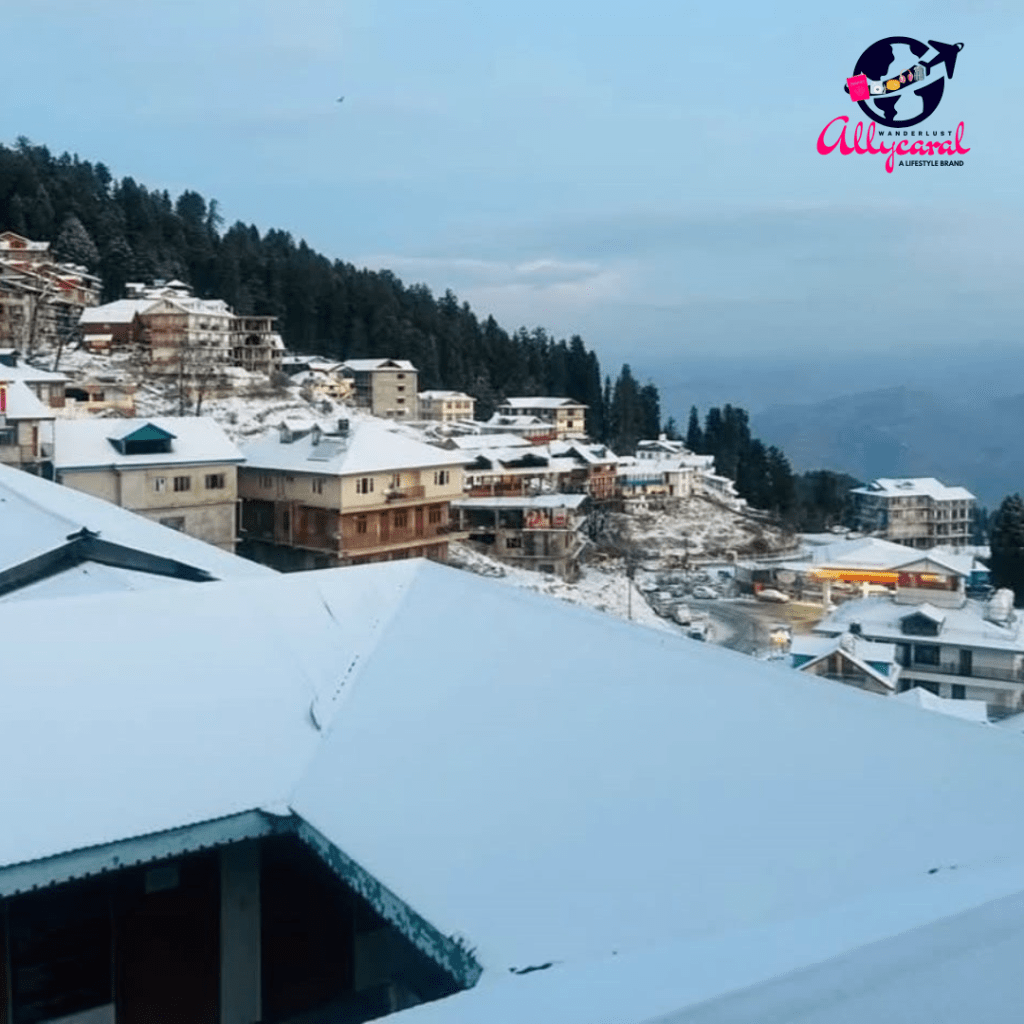
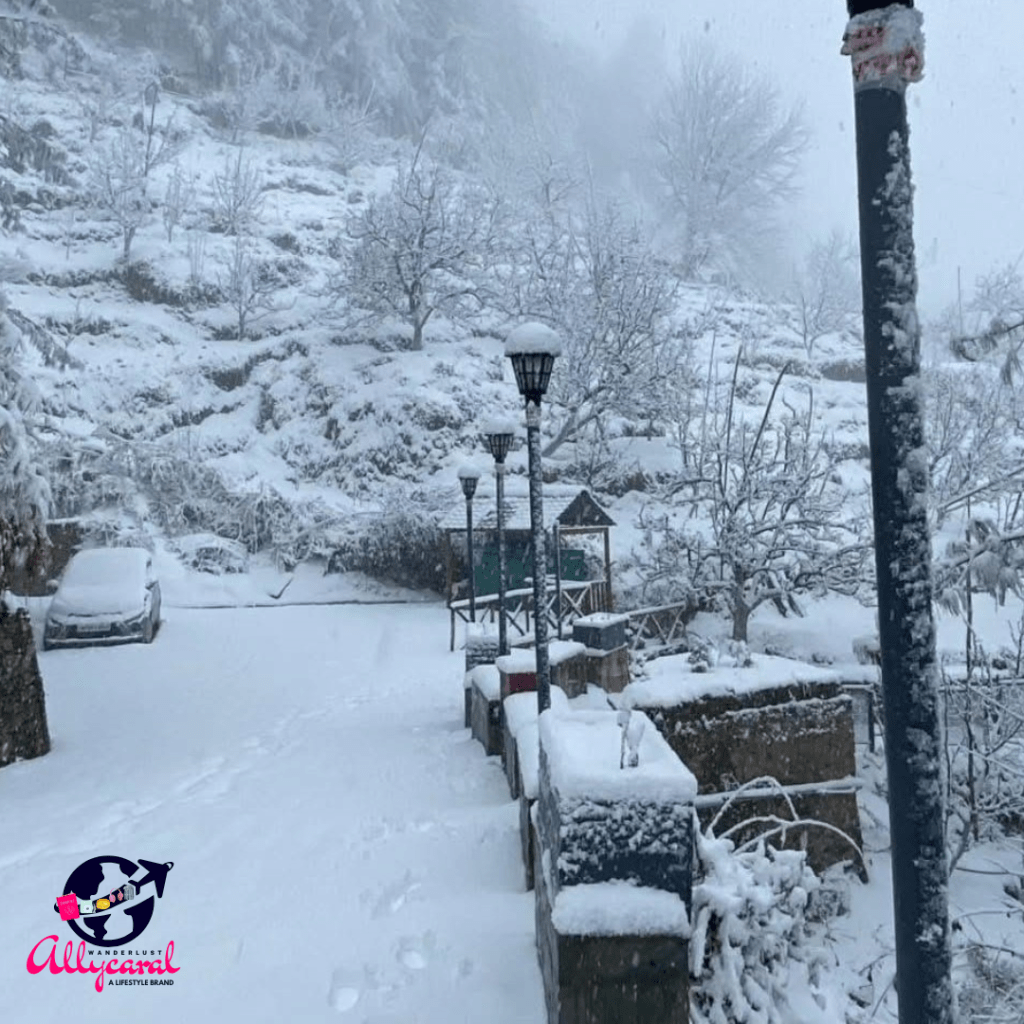
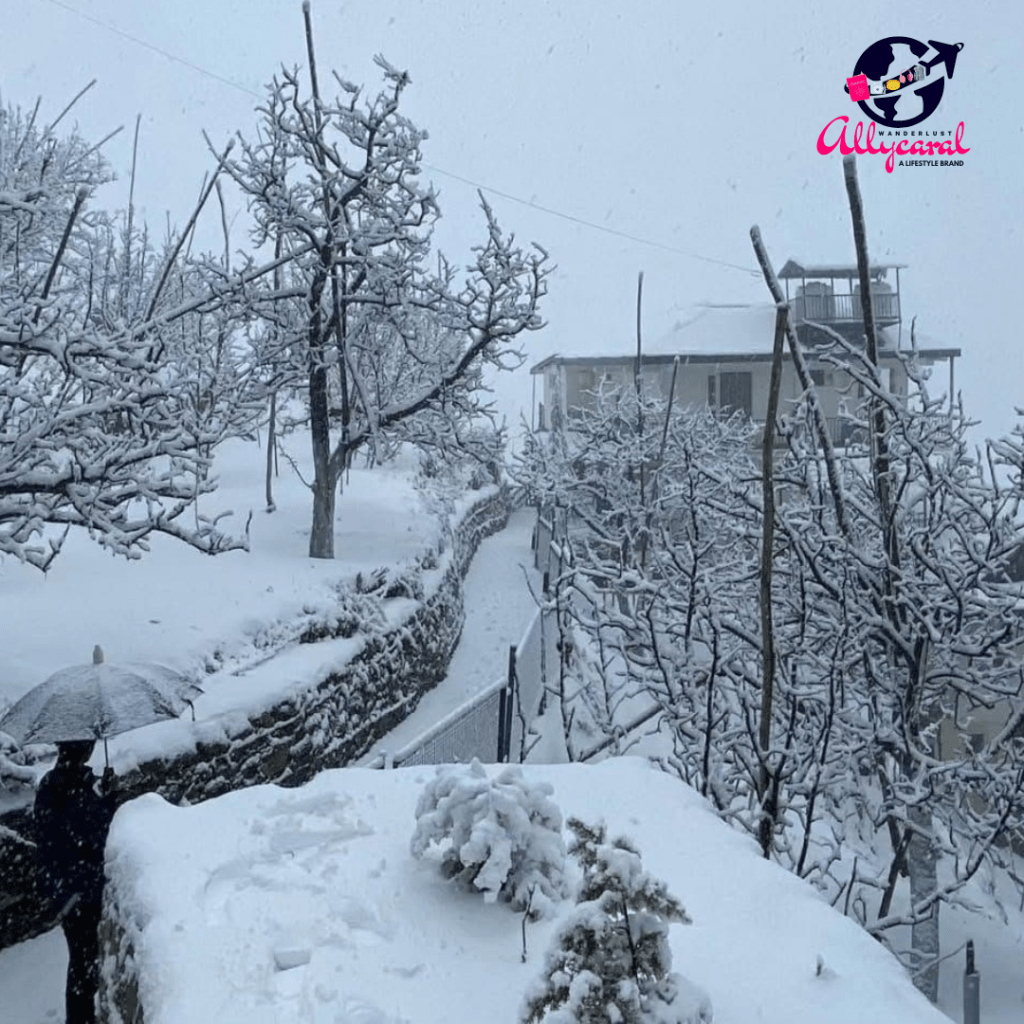
Shimla Transforms into a Magical Winter Wonderland!


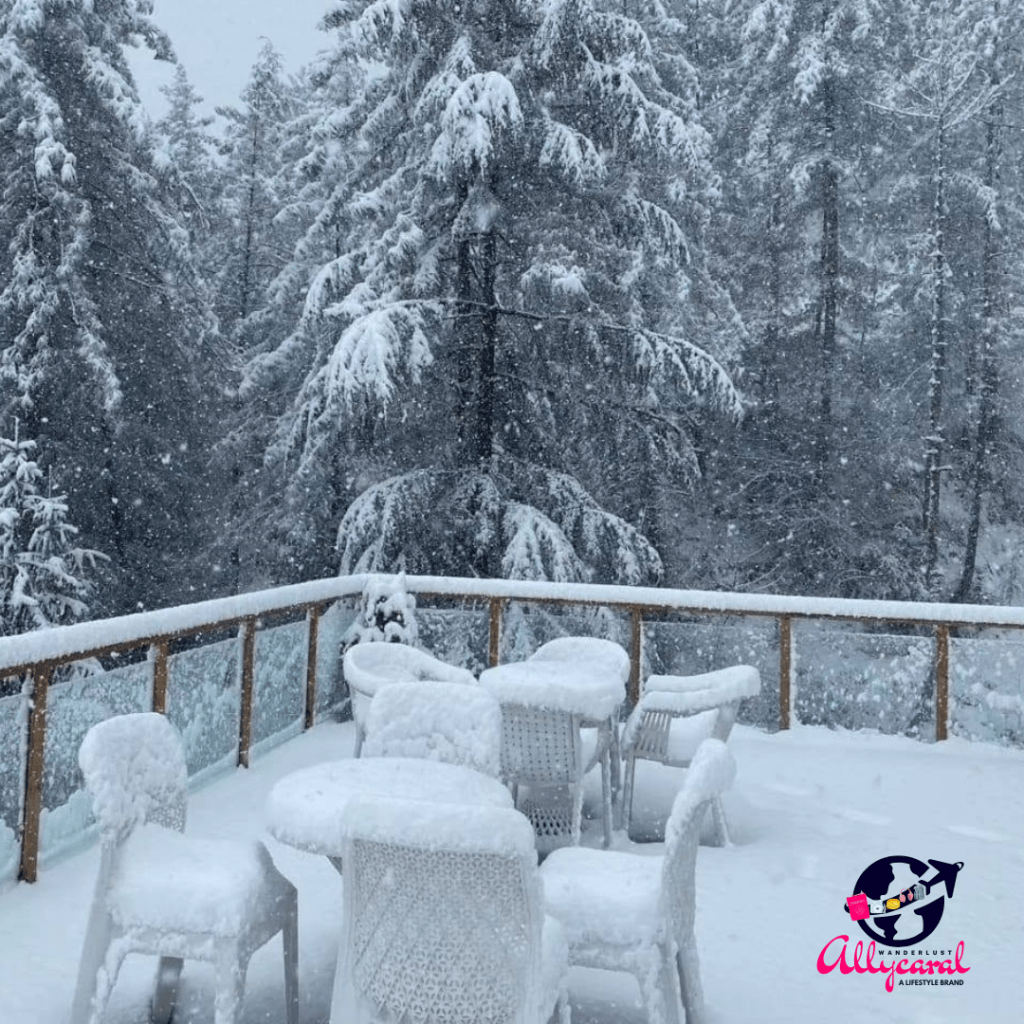
The Queen of Hills, Shimla, has witnessed its first rare December snowfall in 20 years! This unexpected surprise has turned the entire city into a breathtaking winter wonderland.

A Rare Meteorological Event

According to local meteorologists, this rare December snowfall is a result of a western disturbance that brought cold winds from the north, causing the temperature to drop significantly.

Tourists and Locals Delight

The snowfall has brought immense joy to both tourists and locals alike. The streets are filled with people taking selfies, building snowmen, and enjoying the serene beauty of the snow-clad city.

Impact on Tourism

This rare snowfall is expected to boost tourism in Shimla, with many travelers planning to visit the city to experience the magical winter wonderland.

A White Christmas Ahead?

With this rare snowfall, Shimla is likely to witness a White Christmas this year, making it a perfect destination for those seeking a festive and memorable holiday experience.