 Author : Dt. Wellishia D’sa
It’s that time of the year when a green carpet is spread across the land and a relief from the scorching summer heat, all thanks to the heavenly showers! While I was wondering on how to write down this month’s article my views came across three common type of people when it comes to monsoon season that I would like to interpret on the topic I’m covering on shielding your health from the rain showers and COVID19. One of the type would be, who just dislikes monsoon season and obviously hates to step out when the rain pours; second is someone who loves watching the rain and sipping a warm cup of tea/coffee or someone who prefers to catch on a nice warm cozy nap while it showers heavily outdoors; and lastly, those individuals who just LOVES the rain and prefers to experience every droplets of the rain on their skin with an overwhelming feeling from within! And, when I look upon to all these types of individuals which includes most of us with either one or two types of the preferences that I’ve described, warm comfort food would be the most mutual for all. 😊
You relish on food items that help you keep yourself warm and enjoy the cozy weather. But monsoon is also the season that brings along with it a high amount of humidity, which affects the functioning of our digestive system. Also, the unhygienic conditions that prevail during this season trigger our immune system.
To shield yourself from the probable consequences of the rainy season and COVID19, it is essential that you tick a few safety boxes having your health taken care as the top most priority, an eye on your diet, a sanitizer and first aid kit, enhancing your fitness level and maintaining a healthy mindset especially for the rainy season.
1. Food & Meeting Your Nutritional Needs
Consume Light Foods and Low Sodium Diet. Considering that the human digestive system is weak during monsoon, consumption of easily digestible food is recommended. Keep a note on your daily salt intake as causes water retention which in turn results in bloating. Prevent
stomach ailments during monsoon by opting for home-cooked food. A low sodium diet directly translates to avoiding junk food, salty chips, salted butter, cheese, pickles, packaged meals, etc.
Make smart food choices – Avoid junk food & aerated drinks. Add more of green leafy vegetables, fresh fruits and fibre rich foods like oats, whole grains, beans, nuts and seeds to your diet. In my previous article I’ve covered most of the foods that help in boosting immunity.
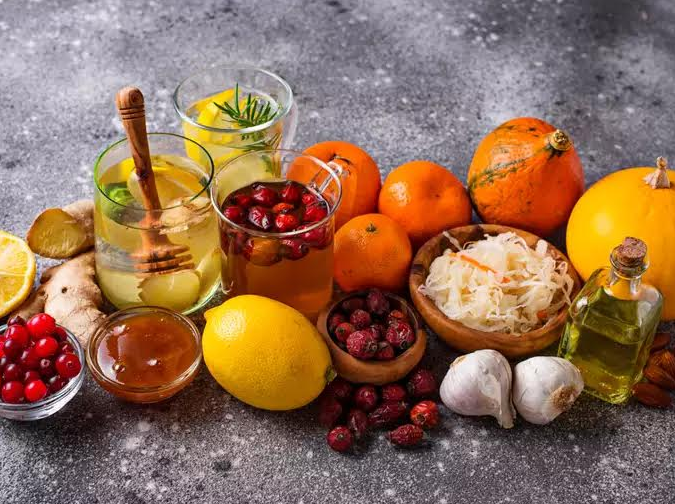
Opt for soothing home remedies. Cold and sore throat are common problems during the monsoon season. Honey is proven to have a soothing effect on sore throat. Grate half a ginger, add a spoonful of Honey and you have the perfect natural remedy to cure yourself from a sore throat. Ginger is excellent to protect the body against a host of disorders. Being a strong antioxidant, antibiotic, antiseptic, antimicrobial and anti-inflammatory agent, it helps relieve throat pain and congestion and destroys cold viruses and improves gastric mobility. Are you
getting stomach bugs occasionally this season? Neem not only help increase the body’s resistance against infections but also strengthens ones immune and digestive system. Include neem or tulsi leaves or extract daily as soon as you wake up in the morning.
Consume a lot of vitamin C rich foods that include orange, grapefruit, strawberries, tangerines, spinach, kale and broccoli. The more colorful fruits and vegetables are, the better they are for building up the great immune system. Choose these fresh fruits and veggies from the farmers’ market aiming at every colour of the rainbow.
Zinc is a top mineral for boosting immunity. Zinc is an essential trace mineral, which means our bodies need only a small amount of it to maintain good health. Healthy amount of zinc in your diet has been linked to an improved immune system and faster wound healing. The NIH sets the recommended dietary allowance at 8 milligrams (mg) for adult women and 11 mg for adult men. While only a small amount may be needed, don’t underestimate the power of this mighty mineral. Foods that are nutritious like mushrooms, spinach, broccoli, oysters, pumpkin seeds and garlic contain zinc, as well as other vital vitamins and minerals. Vitamin B6 is a vital immune system booster. It is found in green vegetables and chickpeas. Chicken and cold-water fish such as sardines and tuna are also rich in nutrient but eating fish
during monsoon season can make you ill as it is the breeding season for fish and prawns. Improve your vitamin D levels by exposing yourself to morning sunshine and consuming mushrooms, almonds, egg (the yolk especially), cheese, milk and fortified cereals.
Hydrate Well. Water aids in boosting your immunity as they negate the building of toxins in your body. Make sure you boil your water before drinking. Drink lots of herbal teas, especially those with antibacterial properties. These include ginger, pepper, honey, mint and basil leaves.
Excessive intake of coffee and tea dehydrates body fluids so they must be limited. Include hot clear soups- can add oats or barley flour to thicken the soup instead of cream or corn starch.
Avoid Consuming Open Street Foods. Monsoon-related diseases can cause due to consuming unhygienic food and water. Avoid eating roadside snacks like pani puris, chats, tikki, samosas and Chinese food as they all may contain contaminated water. Fried foods can also cause an upset stomach and acidity as they may be fried in oil stored for several months. This oil is an absolute dietary villain.
2. Mental & Physical Well-being
Staying positive and optimistic during times of crisis can be challenging, but it’s critical to your mental well-being and immune system. Today, due to the hindrances caused by the Coronavirus pandemic, even individuals with the sunniest of outlooks may be having a hard
time staying positive. Remaining optimistic in the face of social distancing and isolation, dystopian and constant news about the virus, possible loss of income, communal grief, uncertainty, and gripping fear, requires conscious effort and continuous mindfulness.
Being vigilant of our mood in today’s pandemic environment should be a priority to us all.
Remaining calm and constructive at times of uncertainty can help us navigate through difficulties and find a path towards our more resilient selves. To improve your positive outlook:
Practice gratefulness. Even when life seems bleak, there are things we still have for which we should be grateful. Notice both significant and small items for which you are thankful. Important things can include your home and shelter, your health, your family, your friends, your ability to put food on your table, and other essentials. Small things are more momentary pleasures, like a hot cup of coffee, a calming bath, a good book, or a funny meme. Be sure to include as much detail into your gratefulness practice as possible.
Relax your body. Check-in on your muscles regularly and if you’re tensing up your jaw, or your shoulders, or if you’re frowning, breathe and relax. Get into the habit of doing quick body scans throughout the day. From your scalp to your toes, be aware of your body, your muscles,
and your breathing. This also helps make mindfulness an ongoing aspect of your daily life.
Exercise. This should be part of your daily routine already, but now even more so. If you’re an active individual, odds are you’ve made necessary adjustments to keep exercising at home instead of at your usual gym which is likely on lockdown right now. If you’re not regularly
active, make exercising a priority and incorporate it into your day. Try yoga, or resistance training, or if you want to challenge yourself, go for High-Intensity Interval Training. Aside from its physical benefits, exercising releases endorphins in your body which triggers feelings
of positivity, so be sure to include an exercise routine into your day, even if it’s only a short one.
Get sufficient sleep. Just like the battery of your mobile, the human body too requires recharging daily. Sleeping for at least 8 hours per day is the best way to revive the body to ensure that it functions properly the next day.
Have faith. I’m not talking about religious faith, although if you are a religious person and can draw from your belief systems, you most definitely should! I’m talking about having faith in humanity; in science; in technology; in our health care heroes; in collaboration; in the good in people; in our resilience; in our perseverance; in our ability to overcome even the most outrageous of obstacles to grow and evolve; in our future; in our constant and mutual commitment to improve ourselves and our communities; in our kindness; in our empathy; in
our desire to provide a good life for ourselves and our loved ones; in never giving up until we find the right, permanent solution to bring this virus to heel. In life after Corona and everything we will have learned after all of this is done. Believe in yourself and your endless capacity to
love.
Stay Safe and Sound & Have a Pleasant Monsoon!

For any assistance on nutrition related query, feel free to connect on WhatsApp or call on 7559103666
In wellness vibes to you by,
Dt. Wellishia D’sa
(BSc. & PGD in Food, Nutrition & Dietetics)
Nutrition Consultant at LeanWell Nutrition & Certified Yoga Instructor
Disclaimer: This informs readers that the views, thoughts, and opinions expressed in the text belong solely to the author, and not necessarily to the organization, committee or other group or individual publishing it.

 Hey Guys!
 II. Health tips for Eid al-Fitr
 Summers have arrived and so has the heat wave. I’m sure we have read several Dos and Don’t about the Heat Wave, so in order to cope with the same what exactly should we do? A major question in the minds of the people.
 As our body cannot store water, maintaining adequate hydration is the biggest challenge during summer since there is a great loss of fluid from the body due to sweating and also through urination. Keep in mind that if the fluid requirement is not met, one is also at risk of developing kidney stones or urinary tract infection. There is nothing like drinking a glass of cool water on a hot humid day. Water is the best zero calorie drink that one can have during summer as it does not add calories to the diet as most other beverages do. It does not matter whether one drinks water plain or chilled. Before going out of the house in the sun drink a glass or two of water and carry a bottle of water along with you to quench your thirst as and when needed.
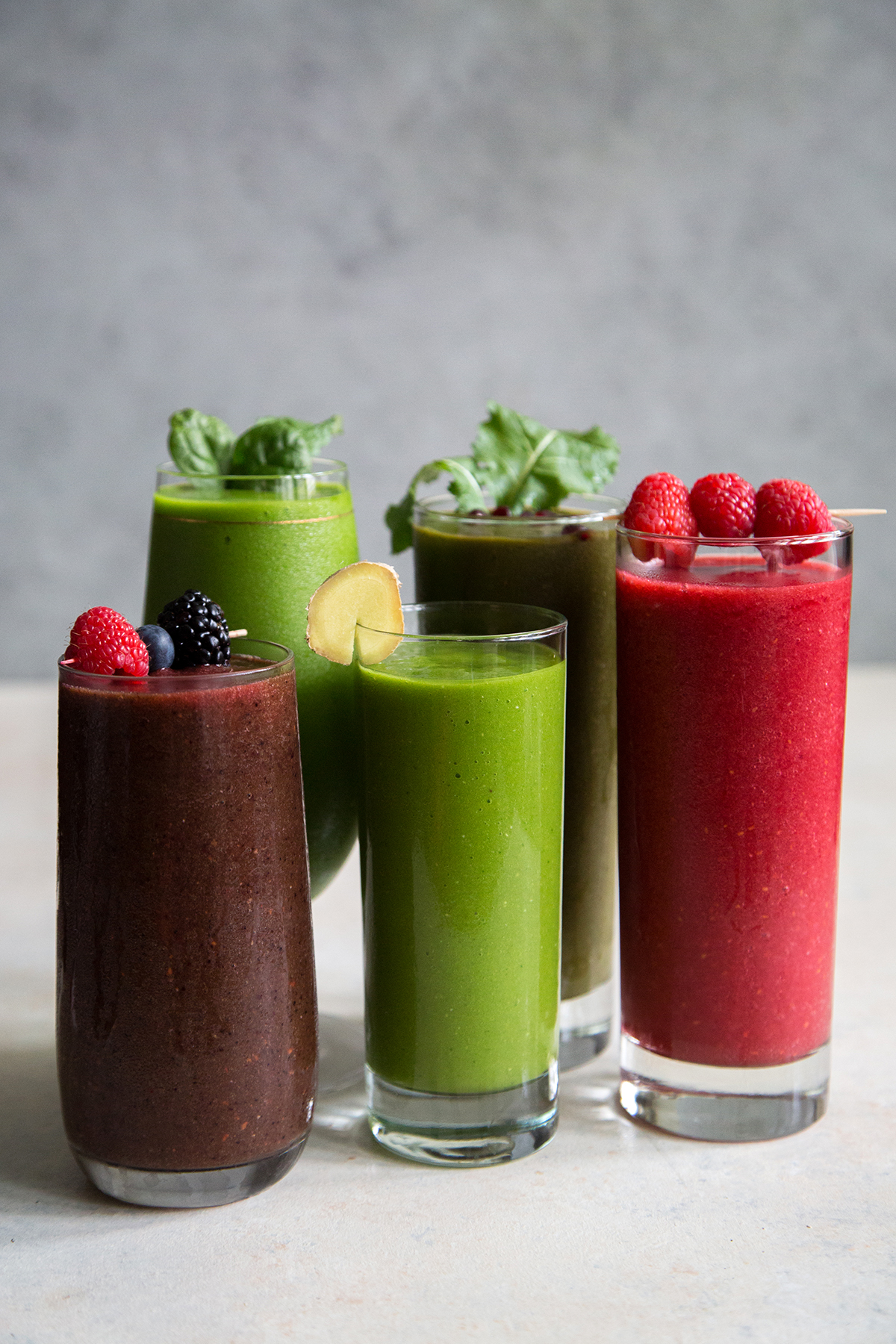 smoothies are ideal foods for hot days.