
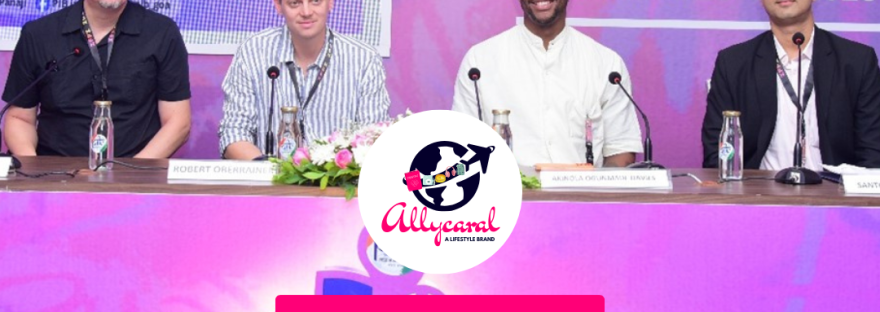
IFFI witnessed a remarkable convergence of storytelling today as the teams behind Mother’s Baby and My Father’s Shadow came together for an insightful and emotionally rich conversation. What unfolded was a deep dive into the methods, memories, and lived experiences that shaped two very different films—each exploring profound human truths.
A Lagos Day That Holds a Lifetime: Akinola’s Intuitive Filmmaking Journey
Akinola Ogunmade Davies, director of My Father’s Shadow, offered an intimate look into the film’s origins. Adapted from an early short film written by his brother, the story unfolds during the 1993 Nigerian elections, echoing the brothers’ own childhood memories of political tension and uncertainty.
Akinola described intuition as his primary compass. “The micro story is the father and his boys. The macro story is the election and everything gets blended,” he said. Keeping the narrative within a single day gave him creative freedom—“We weren’t tied down by continuity; we could focus on emotion.”
He shared the emotional toll of certain scenes, especially a powerful funeral moment that left him shaken. “I stayed in bed for two days and cried,” he admitted, calling it a testament to the film’s emotional weight.
He also gave audiences a textured look into Nigeria—its political shifts, linguistic diversity, and the gaps in historical education. English, Creole, and street language intermingle in the film, mirroring the cultural mix that defines the country. His reflections painted Nigeria as a deeply complex yet underrepresented protagonist in global cinema.
The Unspoken, Unsettling Layers of Motherhood in ‘Mother’s Baby’
For Mother’s Baby, the emotional core lies in exploring a woman’s vulnerable and disorienting postpartum journey. Cinematographer Robert Oberrainer explained that the film’s visual language was crafted to let audiences “walk with her” as she navigates the unsettling feeling of disconnect from her own baby—conceived through an experimental fertility procedure.
Production designer Johannes Salat highlighted the universality of the theme. “It’s a subject deeply important for women,” he emphasized. The chosen location, he said, “felt like it belonged to the story.”
The film builds tension through subtle narrative and psychological cues—moments where the mother’s reactions do not align with those around her. The climax is intentionally open-ended, a “puzzle” for viewers to interpret.
Filmmaking as Reinvention: When Detours Become Discovery
Both teams reflected on filmmaking as an ever-changing path. Robert recalled how scenes intended for later in the film were moved to the front during editing—a shift he initially resisted. The director reminded him, “emotion comes first, not continuity.”
Johannes added, “Sometimes you end up in a place better than where you thought you were going.”
Akinola agreed wholeheartedly: “You make the film three times—when writing, shooting, and editing.” Deviations, he said, are not setbacks but discoveries.
In the end, the session became a vibrant exchange of ideas—two films born from vastly different landscapes, yet united by instinct, emotional truth, and storytelling’s wild, unpredictable journey.
Discover more from Allycaral
Subscribe to get the latest posts sent to your email.
